Skip to content
  • Shade garden on the north side

    April 13, 2026
    a day in this life, dirt under my nails, home
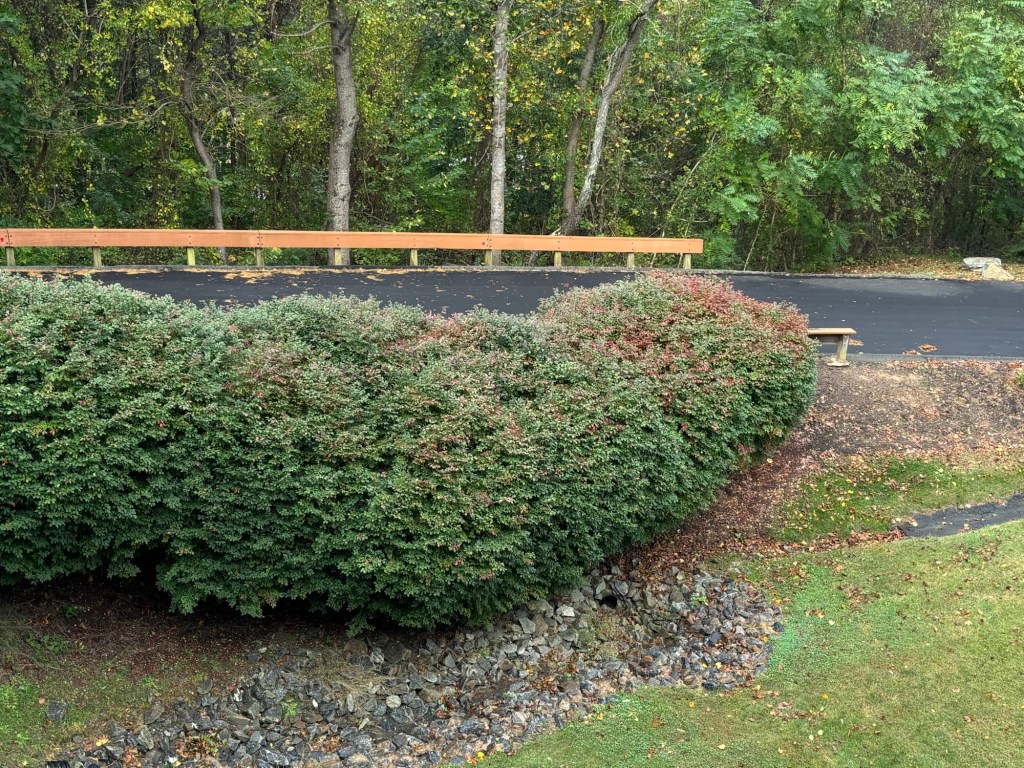
    It could use a pressure washing.

    I have removed all of the Red Hot Pokers from that side of the house. They were growing to the left of the HVAC unit and were a little stunted by the shade. I have plenty thriving on the south side. So, giving those away was no loss.

    There is still a little patch of bearded irises I should probably move. But, they’re close to the fence and not in the way until I decide where I want them. I’ll deal with them later.

    The muscadine I started from seeds a few years ago will stay on that piece of fence because I expect it will die if I try to move it. One day I may get fruit. Or not.

    I ordered 3 bleeding heart roots from American Meadows, one each of pink, white and red. They have been planted on that left side.

    I’ve also been putting wild violets over there. They are growing all over the place and I like them and I don’t mind them spreading around in that area. Some are white with purple throats and some are all purple. As I have removed them from other beds, I’ve moved them to this one.

    Left side

    I want to get some ferns going over here, too, and I’m dithering. The Autumn fern hasn’t come back as quickly as the other two. I took it out of its pot and planted it in 2 pieces in front of the bleeding hearts. If it actually comes up, I’ll be pleasantly surprised. If it doesn’t, it wasn’t a good choice for our yard and it’s probably just as well.

    The Japanese Painted fern and the Cinnamon ferns are doing well in their pots. I would like to put part of them in the shade garden. But, I also like seeing them off the patio. I think I’ll wait until they start moving into dormancy to put pieces of them over there. That will give me the summer to be sure I’ve cleaned up that bed to my satisfaction and give them winter to get established.

    Cinnamon at the bottom, Japanese Painted at the top

    (I need to move the JPF to the shade. It’s getting sunburned.)

    To the right of the HVAC, I have had swamp sunflowers (Helianthus angustifolius). They are native and great Fall food for pollinators. They did moderately well over there, leaning out for the sun. But, only moderately and the lean proves they aren’t in the best spot for them to be happy.

    Right side

    I’m taking the 3 largest pieces to a friend tomorrow (She wants them. I’m not just dumping them on her.) And the rest I’m going to plant behind the lilies growing in the middle of the back yard. Because of how all those things grow, I think it will make a nice display for a longer length of time.

    A wild thing has shown up there and I’m not sure what it is. I have Eastern columbines (Aquilegia canadensis) planted in the roadside bed and this looks similar. iNaturalist thinks this is a Black Snakeroot (Sanicula canadensis). Both are native and these leaves look like it could be either one. I’m going to leave them alone for the summer and see what I think later.

    Snakeroot or columbine?

    Another thing in that bed? A feral asparagus showed up.

    They’re everywhere

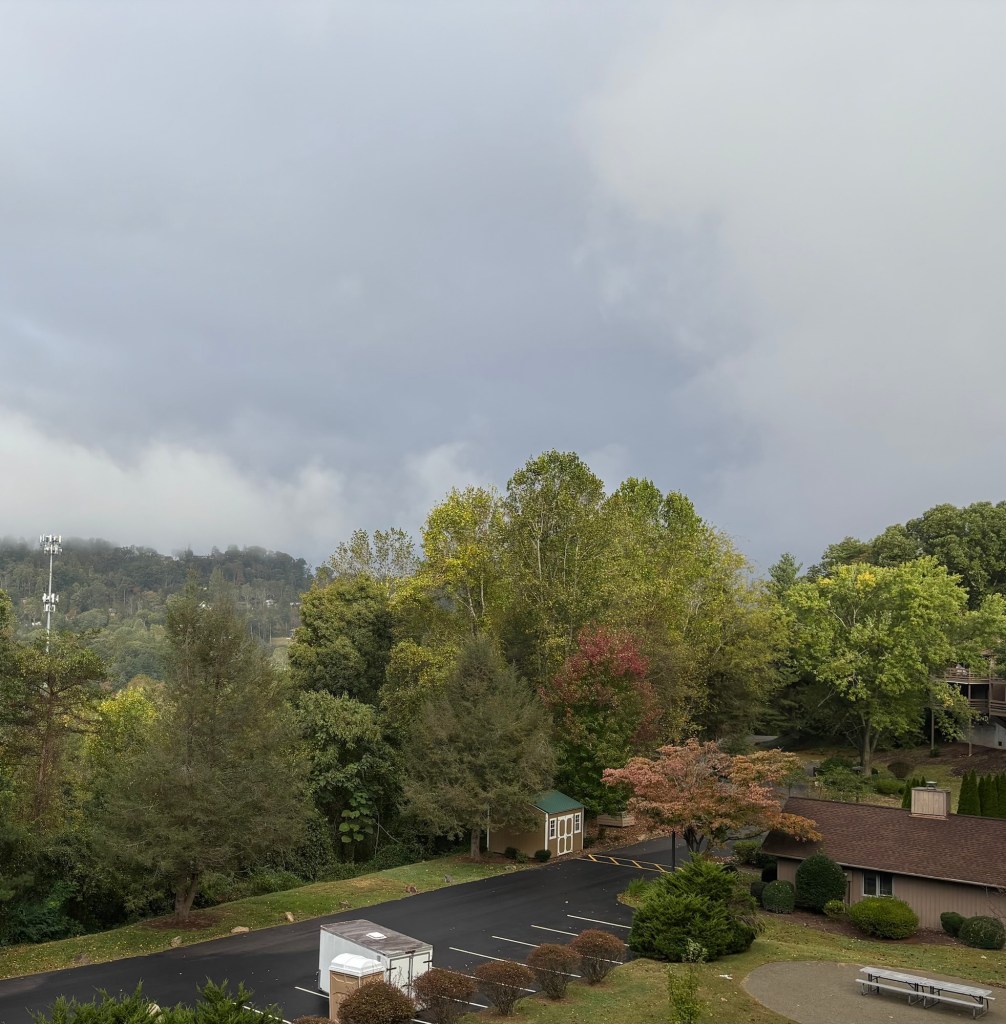
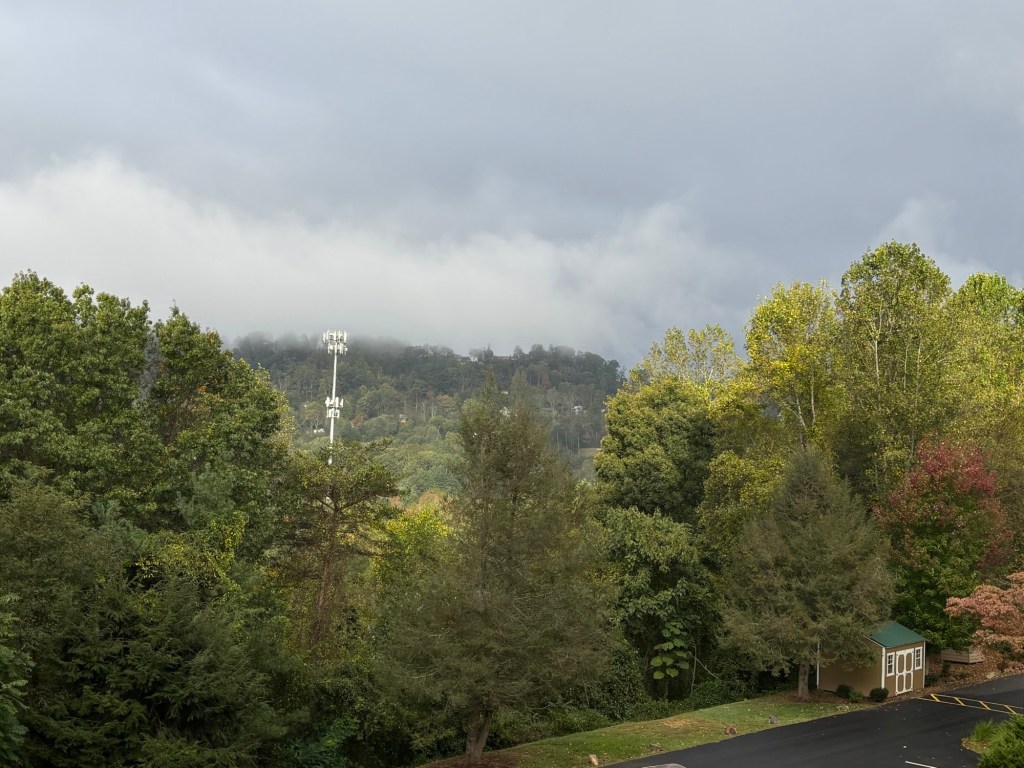
    After moving the sunflowers, I think I’m leaving this alone until Autumn. (Except for making sure there are no Virginia creeper, elderberries or silk trees trying to come back.) When I get through this year, I’ll make some decision about that I want to keep/have toward the front of the house.

  • Tromanhood – Celia Xié

    March 1, 2026
    a day in this life, art
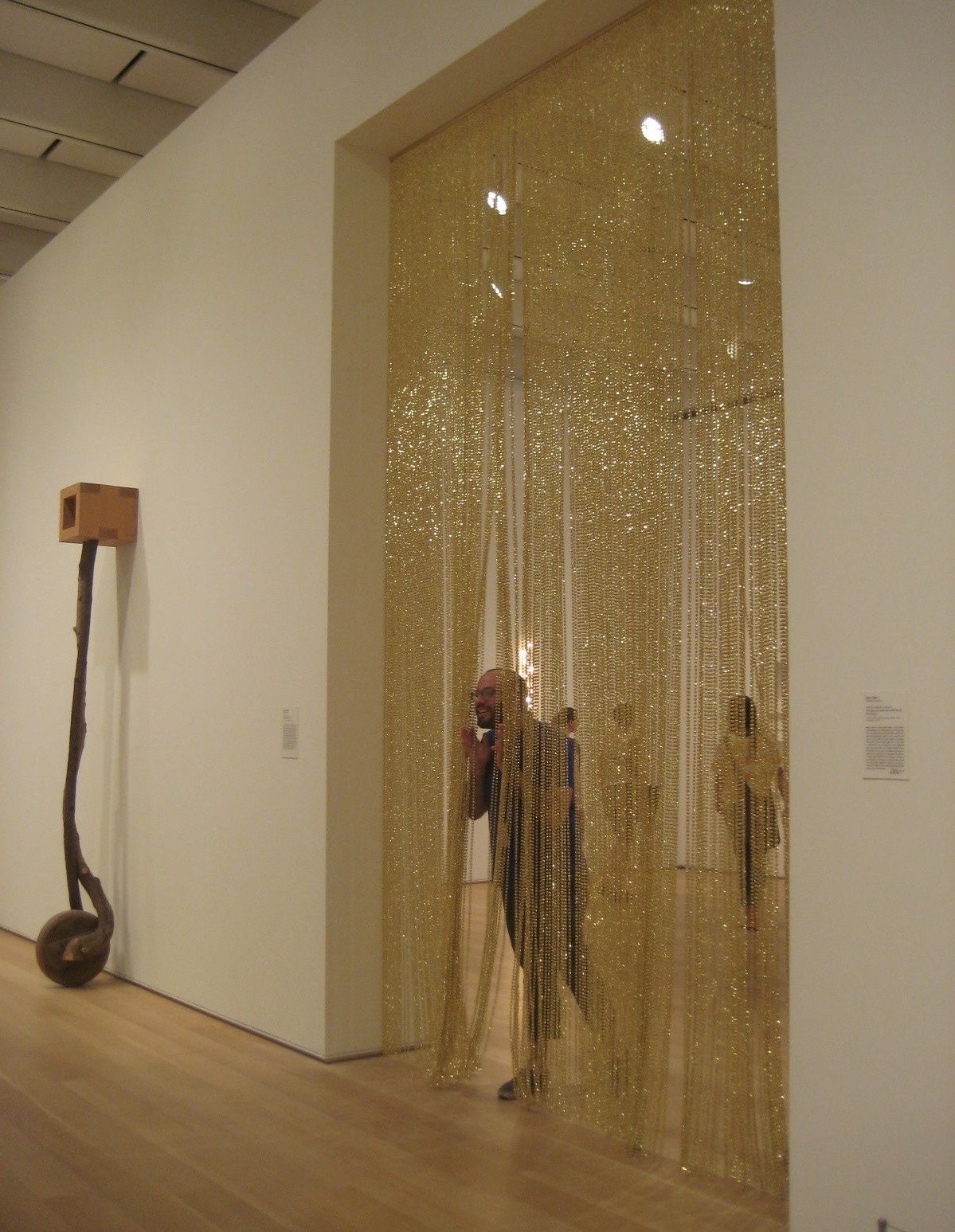
  • A Center that Does Not Bend, 2018 – Judith Ernst

    March 1, 2026
    a day in this life

    Seen at the Gregg Museum of Art and Design.

  • Soil, insects and diseases. Oh my!

    February 24, 2026
    Master Gardener, plants, travel

    Yesterday, I went to Raleigh with my Master Gardener class. We went to the soil lab, the insect collection and the disease lab. I learned many useful things.

    Seeing the process of the soil lab was fascinating. It takes 2 days to dry down the boxes in big, walk-in ovens that hold over 3,000 samples at the time. When they’re dry, a specific amount is put in a falcon tube and a standard amount of water is added to it. (I didn’t take notes and don’t remember the exact amounts. 500g and qs DH2O to 50 mL maybe?)

    There are instruments to check the pH and instruments that measure the various nutrients. They don’t bother measuring nitrogen. It is too ubiquitous in the environment and too easily changed. What you measure this Fall may not be remotely the same next Spring.

    Because of the number of steps necessary to complete the analysis, it takes about 2 weeks to get final results. It may be sooner in less busy times. But, don’t depend on that. Give them 2 weeks before you get antsy. Results come via email.

    If you order a soil analysis between the end of November and the end of March, it costs $5/box (that’s a $1 increase from last year). From April 1 until around Thanksgiving, it’s free. The exact cutoff has to do with when farmers start clogging up the works in order to get ready for next Spring.

    The insect collection is …. vast. They are given samples by collectors AND every one of that crowd brings things home from vacation. They have samples that were collected in the 1800s.

    There are 3 ways that insect specimens are stored. Most are pinned. You know, like the Victorians did it. But, tiny ones are stored on microscope slides and soft ones, like larvae, are stored in little bottles of alcohol. Those have to be topped up periodically.

    I didn’t take many pictures. But…. Lookit.

    Zoom in!!

    Then, we went to the Plant Disease and Insect Clinic.

    Whoa.

    If you have a plant that is unwell, they have someone who can find the cause for you.

    Sending pictures is free. Take lots. Take a broad view so that they can see where it is and what’s around it. Take pictures of the whole plant. Take pictures of the base, even if you don’t think that’s the problem. Take pictures of the back and front of the leaves. Take pictures of the problem area from all angles. If it’s on a branch or twig, scrape off a little of the bark so they can see where it is healthy and where it is dead (that’s the transition area. HA! Look at me learning a term.). Or if it’s not at all.

    IF they can’t tell you what’s wrong from all those photos, it will cost you $20 for them to examine the sample you bring or send in. (It may be easier to dieliver it yourself than to ship, depending on where in the state you are.) Bring a piece of the damaged part of the plant and the roots. Dig them, don’t pull them. If you pull, you rip off the rootlets that may have important info. Include the soil around those.

    There is always someone available to answer the door and take your specimen from 8-5 during the week. Ring the bell and wait a minute.

    It should take about a week to get a report.

    When you are filling out the info, give every piece of data that you can think of and there’s even a place for you to tell them what they haven’t asked. Don’t feeling like you’re being excessive. The more details they have, the easier it is for them to figure out your problem.

    I was tired of standing at the end and wish I’d had more time. Everyone was excited to tell us about their specialty and I would have been happy to listen longer.

  • Not time for hummingbirds yet

    February 16, 2026
    birdwatching

    BUT, the new map is ready and they have made it to our southern coast.

    https://www.hummingbirdcentral.com/hummingbird-migration-spring-2026-map.htm

    Using the map on this site as a guide, we usually put our feeders out the last week of March.

    (This post was inspired by reading the Wildlife chapter of the MG handbook.)

1 2 3 … 99
Next Page

Blog at WordPress.com.

I am the Audience

Free and worth every penny paid

  • a day in this life
  • dancing in the field of dreams
  • food & drink
  • Laughing
  • poetry and songs
  • Beautiful
  • dirt under my nails
  • bonsai
  • travel
  • odds&ends
  • Labyrinths
  • birdwatching
  • randomness
web counter
 

Loading Comments...
 

    • Subscribe Subscribed
      • I am the Audience
      • Join 54 other subscribers
      • Already have a WordPress.com account? Log in now.
      • I am the Audience
      • Subscribe Subscribed
      • Sign up
      • Log in
      • Report this content
      • View site in Reader
      • Manage subscriptions
      • Collapse this bar